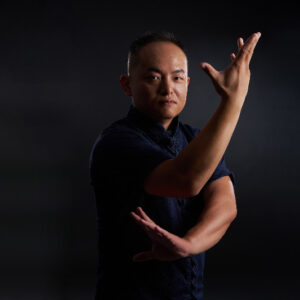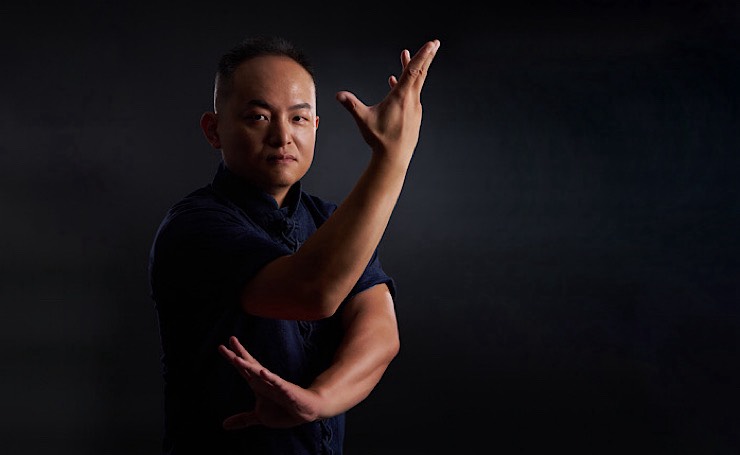

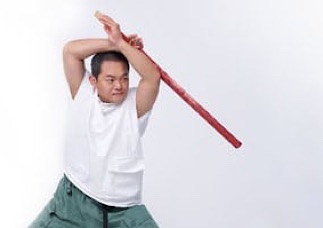

Most people train internal martial arts for years and never develop real internal power. It isn’t a lack of talent, and it usually isn’t a lack of effort. It’s that almost no one is taught the one thing that makes internal power possible: correct structure, trained in the right order.
Power you stop leaking, not power you add
The everyday instinct is to add force — to push harder, tense more. Internal arts work the opposite way. When your skeleton is aligned, the force from the ground travels through a single connected frame to your hand, and it arrives without local muscular tension. Your job is to stop leaking that connection, not to manufacture more effort. This is why a relaxed sixty-year-old can move a stronger, younger opponent.
Proving the classics with mechanics
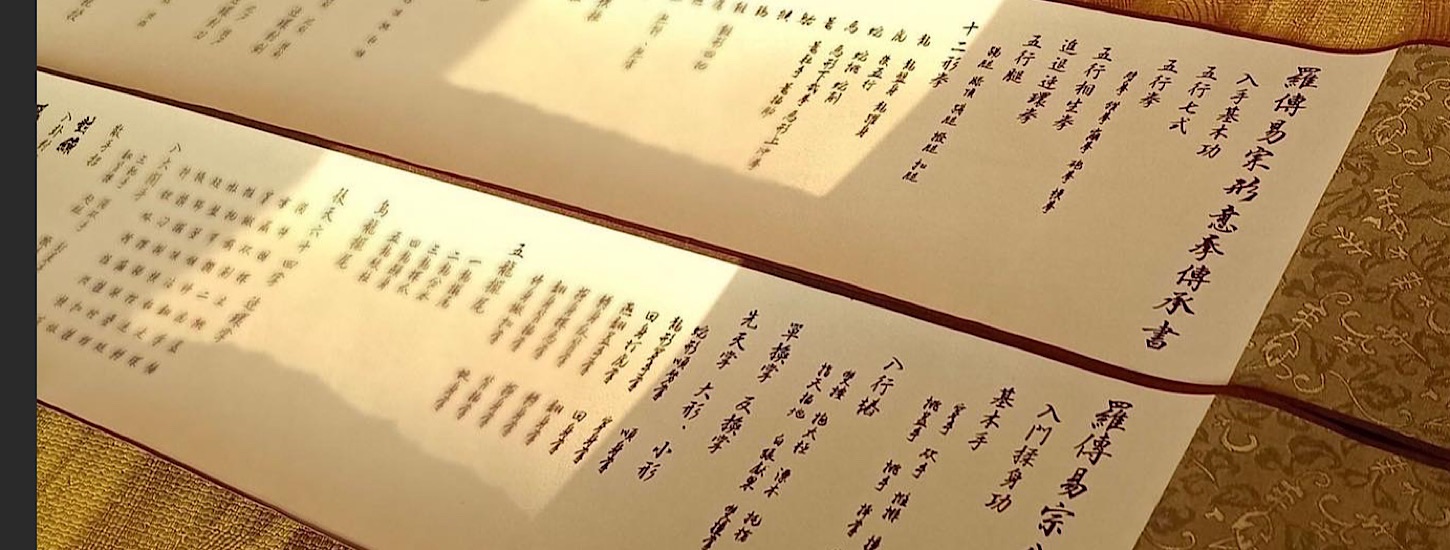
In the Yizong lineage this idea goes back to Cheng Tinghua, who explained boxing using geometry. I take the same approach with a modern toolkit — structural mechanics and physiology — to turn old-manual phrases like jin, spiral, and sink the qi into things you can actually feel and check. No mysticism required.
The three faults that quietly ruin your practice
The classical curriculum warns against the three faults: forced breathing, clumsy strength, and a puffed-up chest with an arched back. If any of these are present, the connection breaks and the power leaks. Removing them is often the fastest improvement a practitioner can make.
Where to start
Structure first, in order: correct standing, then the basic footwork, then the single palm change. Small, correct, daily practice beats long, occasional sessions every time.
See the full step-by-step path on my Patreon → — the direct lineage of Luo Dexiu, 11,000+ videos, sequenced from your first stance to combat application. Start with the Apprentice tier free for a week.