
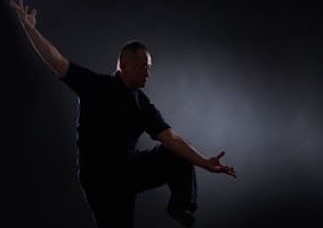
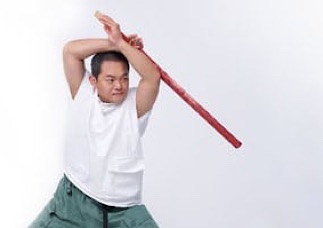

“Internal” doesn’t mean slow. It doesn’t mean soft. And it definitely doesn’t mean less effective. If you’ve ever been confused about the difference between internal and external martial arts, you’re not alone — it’s one of the most misunderstood ideas in all of martial arts. In this guide we’ll clear it up, then look at the three great internal arts so you can find the one that fits you.
The one real difference between internal and external martial arts
Most people think the split is about pace: external arts are fast and hard, internal arts are slow and gentle. That’s a myth. The real distinction is about where power comes from and how the body is trained to produce it.
External martial arts (like Karate, Muay Thai, or Shaolin Kung Fu) build the body first. You develop muscular strength, speed, conditioning and explosive technique, and you apply that trained body to striking, kicking and grappling. Power comes largely from isolated muscle groups working together.
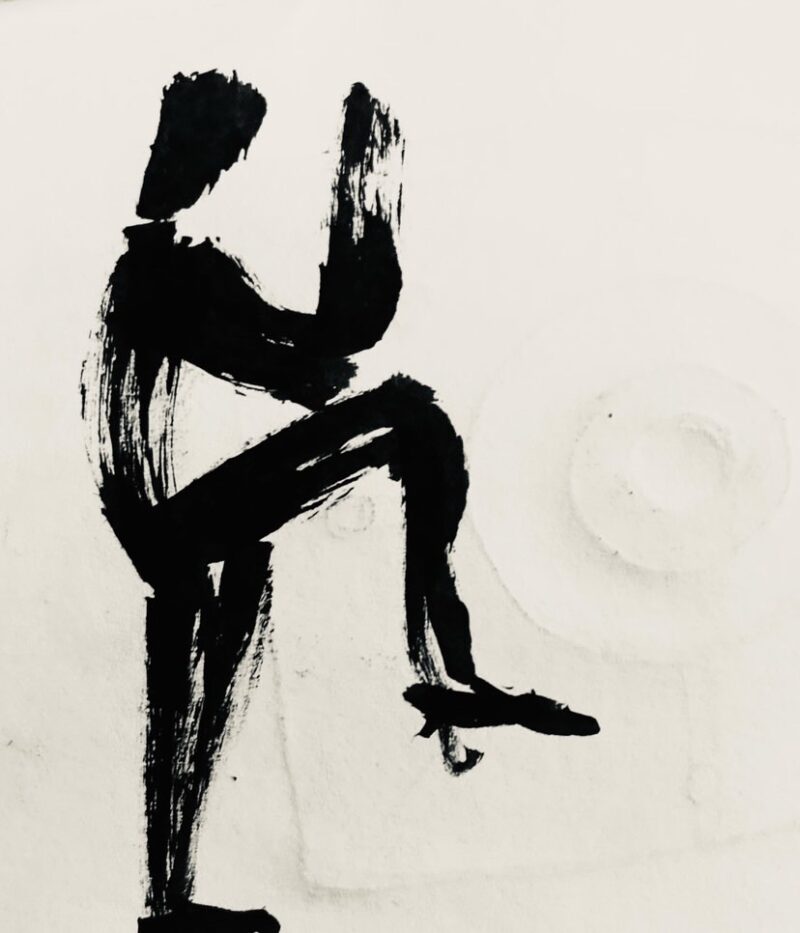
Internal martial arts (neijia 內家) train the body to move as a single, connected unit. Instead of isolating muscles, you learn to link the feet, waist, spine and hands so that force generated at the ground travels through a relaxed, coordinated body and out through the point of contact. The power feels effortless because it isn’t coming from tension — it’s coming from whole-body connection, timing and structure.
That’s the real line: isolated power (external) versus whole-body connected power (internal). Everything else — the slow practice, the standing meditation, the spiralling movements — are just methods for training that connection.
Why internal arts train slowly (at first)
Internal arts often practice slowly in the early stages, but not because the art itself is slow. You move slowly so you can feel whether your whole body is connected, whether your weight is rooted, and whether your intention reaches your fingertips. Once that connection is trained, internal power can be delivered explosively. A Baguazhang palm change can look like slow dancing and land like a truck.
The three great internal martial arts
Chinese internal martial arts are traditionally grouped into three sister arts. They share the same internal principles but express them very differently — which is why one will suit your body and temperament more than the others.
Baguazhang (八卦掌) — angles, flow and evasion
Baguazhang is built around continuous circle-walking and spiralling palm changes. Rather than meeting force head-on, the Bagua practitioner moves around it, changing angles constantly. If you’re drawn to fluidity, footwork and outmanoeuvring an opponent rather than colliding with them, Bagua speaks your language.
Xingyiquan (形意拳) — directness and whole-body power
Xingyi is the most direct of the three. It advances in straight, committed lines and expresses power through whole-body striking built on the Santi Shi standing posture. If you like simplicity, forward intention and raw, integrated power, Xingyi will feel like home.
Tai Chi (太極拳) — sensitivity and listening
Tai Chi is the most widely known internal art, famous for its slow forms — but underneath the health practice is a sophisticated fighting system based on sensitivity, yielding and “listening” to an opponent’s force to redirect it. If you value calm, balance and reading your opponent over overpowering them, Tai Chi is your path.
Which internal martial art is right for you?
The honest answer is that the “best” internal art is the one that matches how you naturally like to move, respond and generate power. Someone who loves to flow and evade will thrive in Baguazhang and feel constrained in a more linear art — and vice versa.
Not sure where you fall? We built a free, 2-minute quiz that matches your temperament and body type to the internal art that fits you best — no experience required. Take the free internal martial arts quiz here.
Learning internal martial arts online, in English
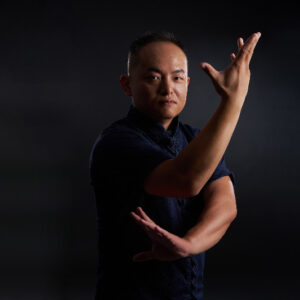
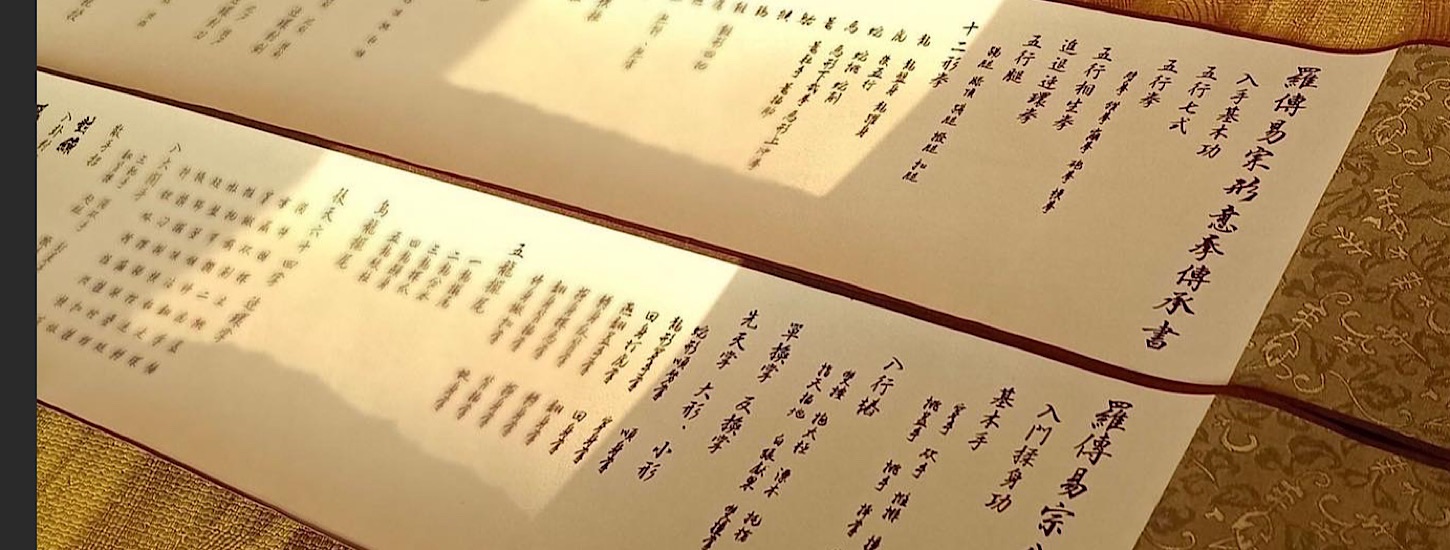
Internal arts are famously hard to learn from scattered videos, because the internal mechanics — the why beneath each movement — rarely make it into a clip. That’s why lineage and clear instruction matter so much. Our training is taught in English in the lineage of Master Luo Dexiu (羅德修), one of the most respected teachers of Baguazhang and Xingyiquan, with a structured curriculum you can actually follow at home. Learn more and join the training here.
Frequently asked questions
Are internal martial arts effective for self-defense?
Yes. Internal arts like Baguazhang and Xingyiquan were developed as complete combat systems. The whole-body power they train is genuinely effective — the “internal” label refers to how power is generated, not to it being purely for health.
Is Tai Chi an internal martial art?
Yes. Tai Chi (Taijiquan) is one of the three main internal martial arts, alongside Baguazhang and Xingyiquan, even though it’s most commonly practiced today for health.
Can a beginner start with an internal martial art?
Absolutely. You don’t need a background in external arts first. Beginners can start directly with an internal art — the key is clear instruction so you train the internal connection correctly from the start.
What does “neijia” mean?
Neijia (內家) literally means “internal family” and refers to the family of Chinese internal martial arts — principally Baguazhang, Xingyiquan and Tai Chi.
Ready to find your path? Take the free 2-minute quiz to discover which internal martial art fits you, then start learning online in English.