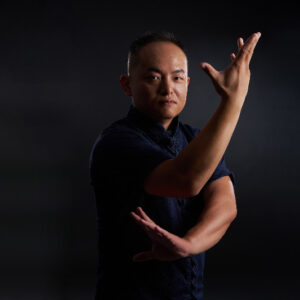
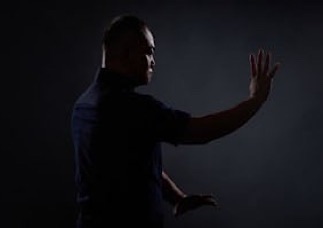
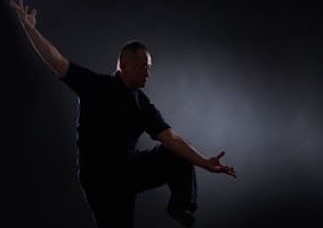
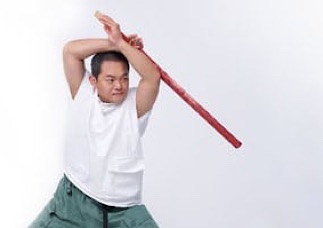

Standing still looks like nothing is happening. Done correctly, it’s one of the fastest ways to rebuild your base, core, and structural alignment. Done incorrectly, it’s just uncomfortable waiting.
Three adjustments, in order
Classical practice balances three things: adjusting the body (alignment), adjusting the breath, and adjusting the mind (settling). Beginners should prioritize alignment first — the rest follows.
What it actually trains
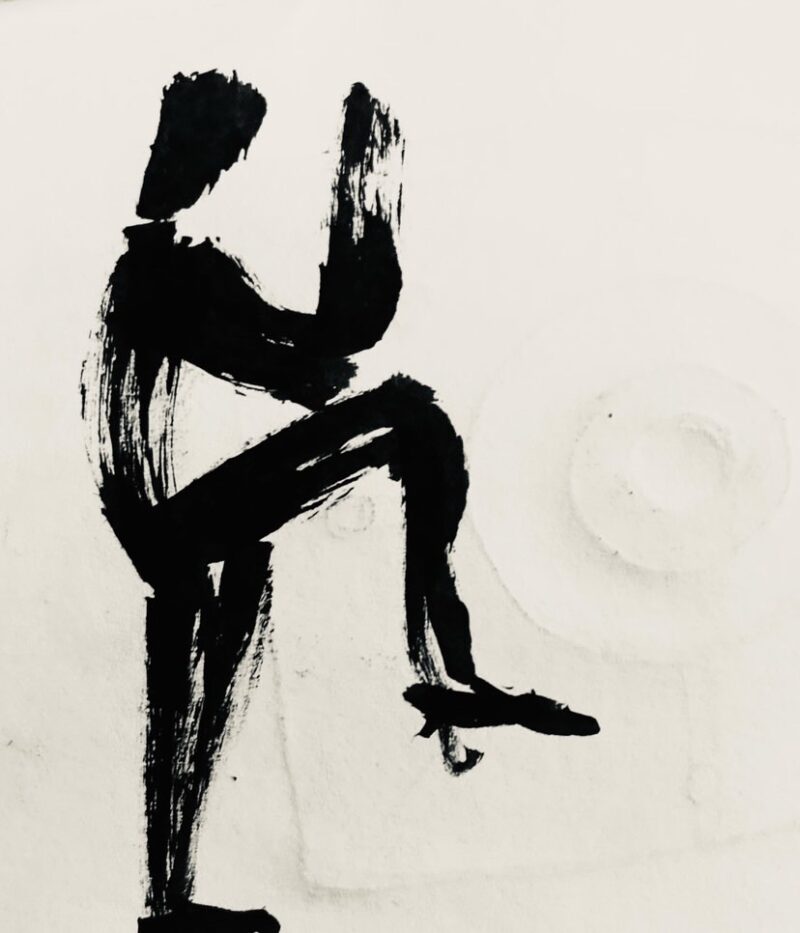
Reframed in modern terms, standing practice is proprioception plus structural loading. You’re teaching your skeleton to carry weight through aligned joints instead of tense muscles. For desk-bound bodies, that rebuilds the base, opens the hips, and restores spinal rotation — the mobility modern life quietly erases.
Avoid the three faults
Forced breath, clumsy strength, and a puffed chest with arched lower back will sabotage the posture. The classical eight essentials describe the correct state; the three faults describe what to remove.
Low impact, any age
Because power comes from structure rather than exertion, standing (and its moving cousin, the moving post) is ideal training for people over 40 — no impact on the knees when aligned correctly.
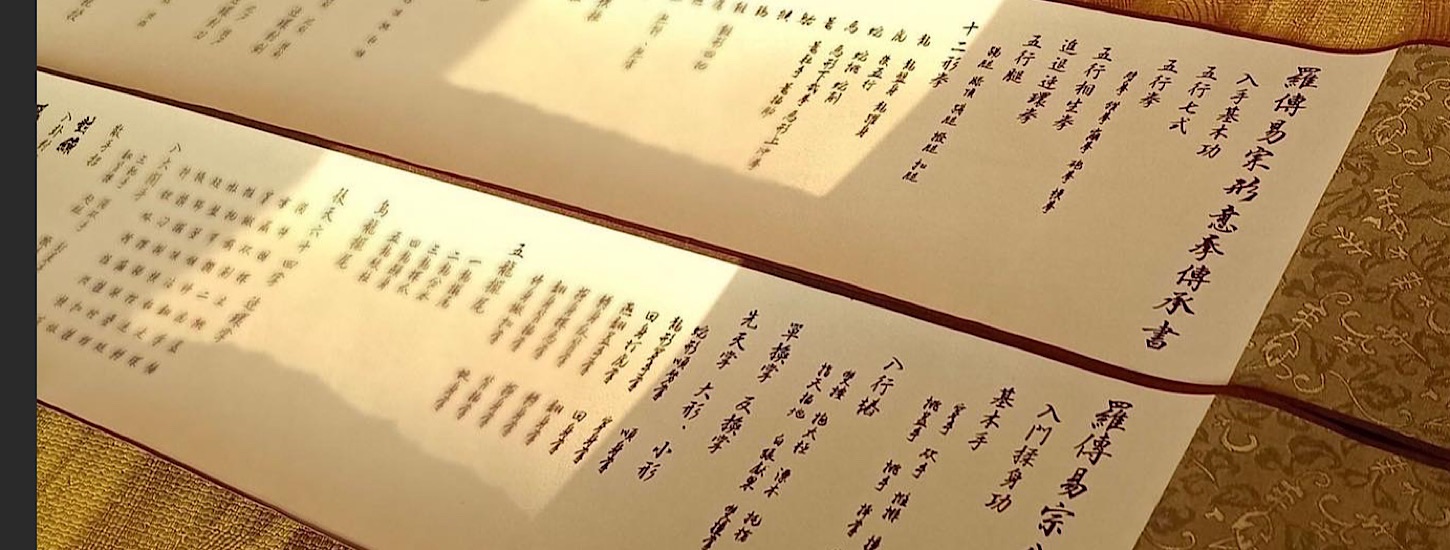
Watch the standing-practice breakdowns on my Patreon → from the direct lineage of Luo Dexiu.