
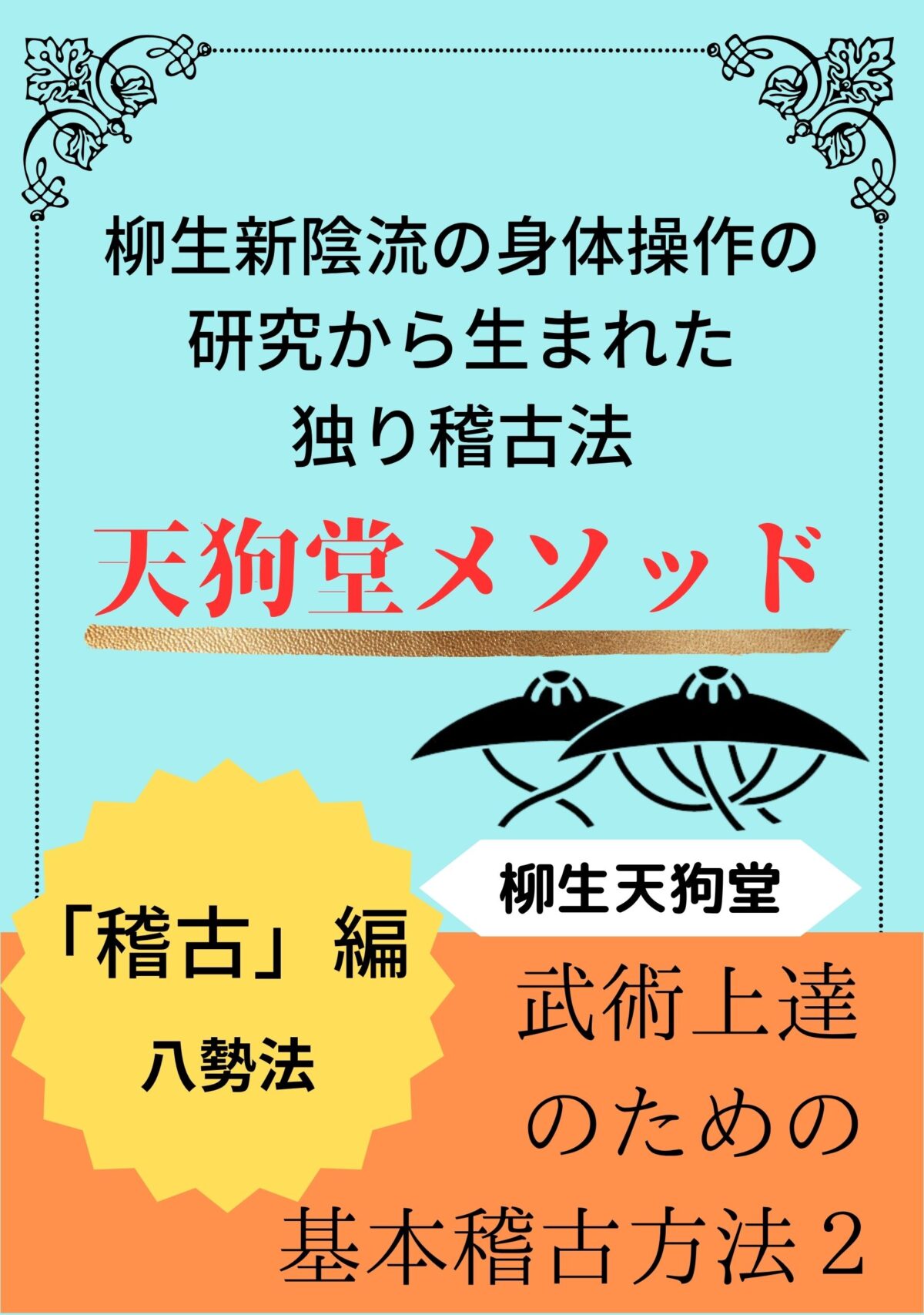
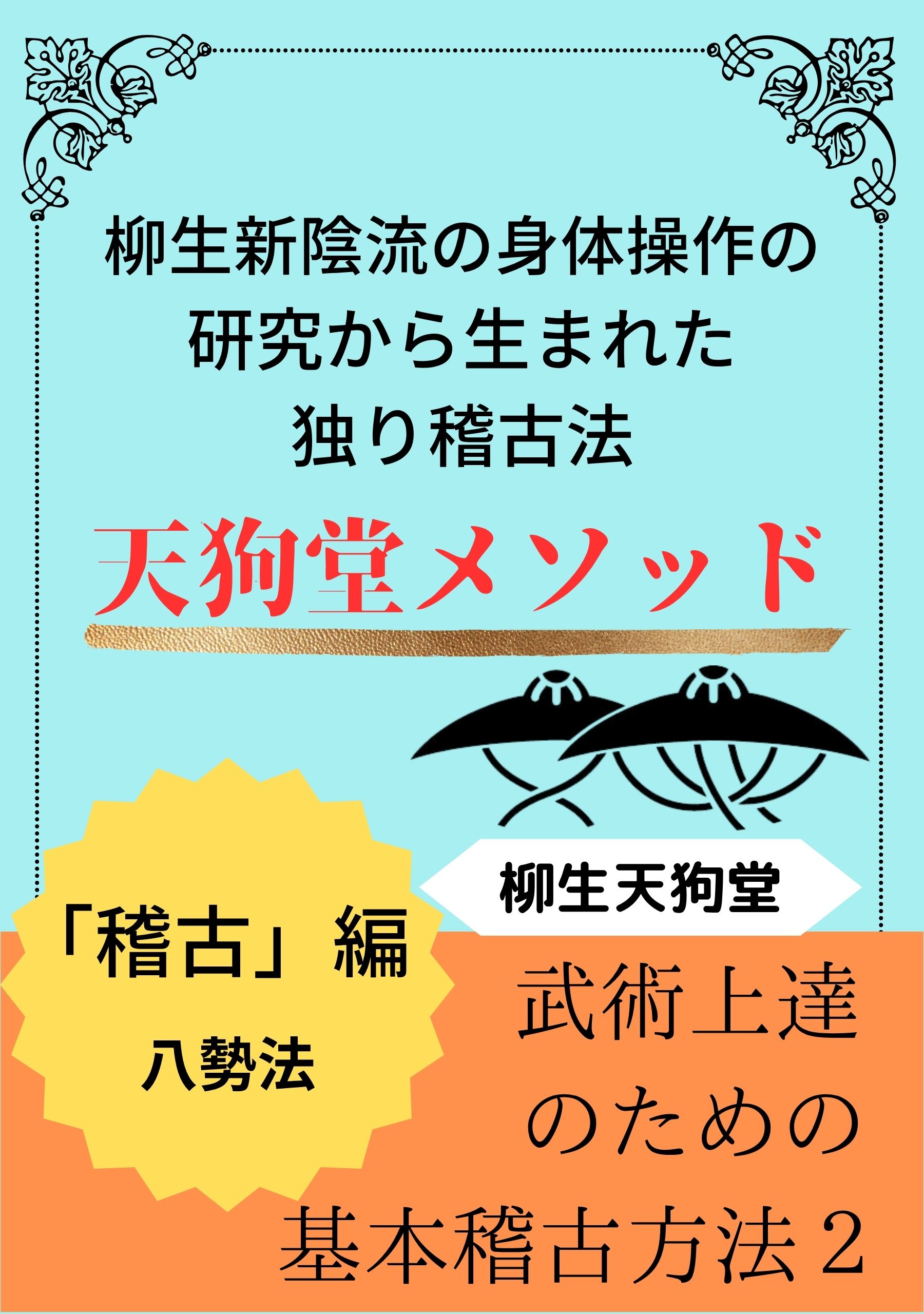
My kenjutsu teacher, Ikenosoba Hiroshi of Yagyū Tengudō, has just published the second volume of his Tengudō Method series on Amazon. I want to put it in front of anyone here who takes body method seriously — whatever art you train.
What the book is
Volume 1, the Narai (習い, “learning”) volume, laid out the basic body mechanics: how a body has to be organised before form practice can carry anything at all. This new volume, the Keiko (稽古, “practice”) volume, takes those principles into an actual curriculum — the Hasseihō (八勢法), the eight fundamental sword forms of the school — and shows how the body method is supposed to live inside them.
The naming follows the school’s own learning theory, the Sanma no Kurai: narai (learning), keiko (practice), kufū (refinement). A third volume on kufū is planned.
Why I think it travels beyond kenjutsu
His central claim will sound familiar to anyone who has spent years inside an internal art. Modern life — chairs, desks, beds — has quietly rebuilt how we stand, sit and move. Sport rebuilt it a second time. Then we take that body into a set of forms designed several centuries ago for a body that no longer exists, and we copy the outline faithfully while the thing the outline was carrying never arrives. Years pass. The shape improves. The art doesn’t.
His answer is not more repetitions. It is to change what the body is doing first, in solo practice, so that paired form work has something real to be a container for. Readers of my own writing on Xingyi and Bagua will recognise the argument — different lineage, different weapon, same disease and much the same cure. That convergence is, to me, the interesting part.
Where to get it
Both volumes are on Amazon in paperback and Kindle. A caution worth stating plainly: the books are written in Japanese, and there is no English edition. If you don’t read Japanese, the photographs and diagrams still carry a surprising amount — but go in knowing that.
Announcement and Amazon links on the Yagyū Tengudō site →
Congratulations, sensei.